

What Is Air-Dry Clay? Features and Creative Uses
A miniature house, a sculpted animal, and a patterned ornament call for different shapes and details. Air-Dry Clay lets you explore all three through hand modeling, surface impressions, and painting.
Its defining feature is how it hardens: no oven or kiln is needed. Understanding its texture and finishing options can help you decide whether it suits your next craft project.
What Is Air-Dry Clay?
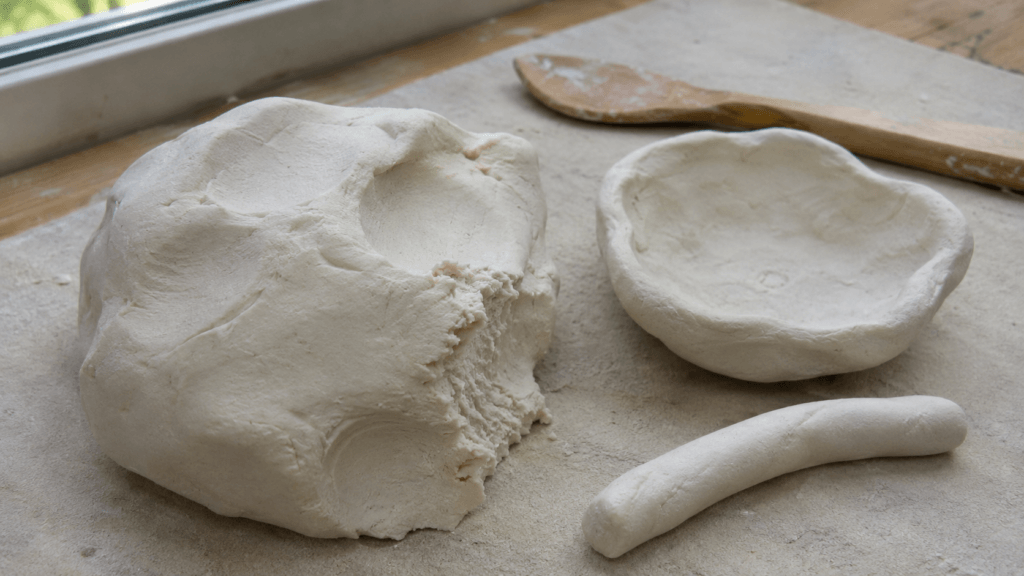
Air-Dry Clay is a modeling material that hardens naturally when exposed to air. You shape it while it is soft, then leave the piece to dry before painting or finishing it.
LY HSIN’s Air-Dry Clay contains paper fibers and has a soft, pliable texture. It can be used for hand-shaped figures, textured designs, and indoor decorations.
Texture and Shaping
The material can be shaped by hand or with modeling tools. Rounded bodies, flattened panels, and pressed patterns offer different ways to work with the same clay.
For a character, you might combine simple shapes and add facial features with paint. For a decorative plaque, you could focus on shallow lines and repeated impressions. The choice depends on whether you want the shape, texture, or color to stand out.
What Can You Make with Air-Dry Clay?
Consider Air-Dry Clay for small animal figures, miniature buildings, decorative tiles, and seasonal ornaments. These projects combine modeling with opportunities for surface decoration.
Keeping the main form simple leaves room for painted windows, patterns, or lettering. This approach lets you add detail without sculpting every feature separately.
Project idea: Create a miniature lighthouse on an island-shaped base. Shape the tower in clay, then paint its windows and colored bands after drying.
Painting and Finishing
Once fully dry, LY HSIN’s Air-Dry Clay can be painted, carved, or polished. Acrylic paint is one option for adding color, from broad areas to small details. Carved lines can introduce a different surface effect from painted marks.
Follow the product’s drying instructions before applying paint or a finish. If the final color or texture matters to your design, test it on a small dried sample first.